
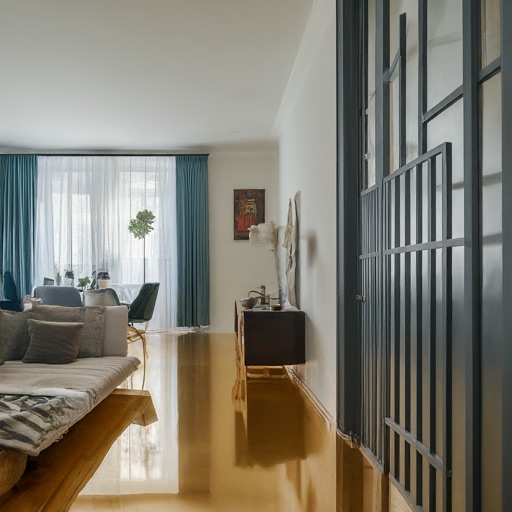
Epoxy flooring has come a long way since its early days, when it was primarily used in industrial settings and garages. Today, it has evolved into a versatile and stylish flooring option that is increasingly popular in residential spaces, including living rooms, kitchens, and bedrooms. This transformation is a testament to epoxy’s unique blend of durability, aesthetics, and functionality, which has allowed it to transcend its utilitarian roots and become a key player in modern interior design.
In this article, we’ll explore the evolution of epoxy flooring, tracing its journey from the industrial world to the heart of the home. We’ll examine how advances in technology and design have expanded its applications, making epoxy flooring a go-to choice for homeowners seeking a blend of practicality and style.
The Origins of Epoxy Flooring: Industrial Roots
Epoxy flooring was initially developed for industrial and commercial use, where durability and resistance to harsh conditions were paramount. The early adoption of epoxy in these settings was driven by its ability to withstand heavy foot traffic, chemical spills, and extreme temperatures. This made it an ideal choice for factories, warehouses, and other industrial environments where traditional flooring materials would quickly deteriorate.
Durability and Chemical Resistance: In industrial settings, the primary appeal of epoxy flooring was its unmatched durability. Epoxy coatings created a tough, seamless surface that could endure the rigors of daily operations, including the movement of heavy machinery, exposure to chemicals, and constant wear and tear. Its chemical resistance was particularly valuable in environments where corrosive substances were used, as epoxy could protect the underlying concrete from damage.
Ease of Maintenance: Another key advantage of epoxy flooring in industrial settings was its low maintenance requirements. The smooth, non-porous surface of epoxy made it easy to clean and resistant to stains, reducing the time and effort needed to maintain a safe and hygienic workspace. This combination of durability and ease of maintenance made epoxy a staple in industries where cleanliness and safety were critical.
Early Applications: The first applications of epoxy flooring were in areas like garages, automotive workshops, and manufacturing plants, where its ability to withstand oil spills, grease, and other challenging conditions made it an obvious choice. In these environments, the focus was primarily on functionality rather than aesthetics, with epoxy flooring valued for its practical benefits.
Epoxy Flooring Enters the Commercial World
As the benefits of epoxy flooring became more widely recognized, its use began to expand beyond industrial settings into commercial spaces. Retail stores, hospitals, and office buildings started adopting epoxy flooring for its durability, ease of maintenance, and the ability to create a polished, professional appearance.
Aesthetic Improvements: As epoxy flooring moved into commercial spaces, there was an increasing demand for more aesthetically pleasing finishes. This led to the development of decorative epoxy coatings that could be customized in a variety of colors, patterns, and textures. These innovations allowed epoxy flooring to complement the design of commercial spaces, making it a popular choice for businesses looking to create a clean and modern look.
Versatility in Design: The ability to customize epoxy flooring opened up new possibilities for its use in commercial environments. For example, retail stores could use epoxy to create eye-catching designs that matched their branding, while hospitals and clinics could choose colors and patterns that promoted a calming and sterile atmosphere. The versatility of epoxy flooring made it a practical and stylish option for a wide range of commercial applications.
Increased Adoption in Public Spaces: The use of epoxy flooring in commercial settings also extended to public spaces such as airports, schools, and government buildings. Its durability and low maintenance requirements made it an ideal choice for high-traffic areas, while its aesthetic versatility allowed it to blend seamlessly with the overall design of these spaces.
The Transition to Residential Spaces
The success of epoxy flooring in commercial settings eventually led to its introduction into residential spaces. Homeowners began to recognize the benefits of epoxy flooring, particularly in areas like garages, basements, and kitchens, where durability and resistance to spills were important.
From Garages to Basements: The transition of epoxy flooring into residential spaces began with its use in garages. Homeowners appreciated its ability to withstand oil spills, tire marks, and heavy tools, making it the perfect flooring solution for garages. Over time, epoxy flooring started to find its way into basements, where its moisture resistance and easy-to-clean surface made it an attractive option for spaces prone to dampness or flooding.
Expansion into Kitchens and Bathrooms: As epoxy flooring became more popular in garages and basements, homeowners started to explore its use in other areas of the home, such as kitchens and bathrooms. In these spaces, epoxy flooring’s resistance to water, stains, and heat made it a practical choice. Additionally, the ability to customize epoxy with decorative finishes allowed homeowners to create stylish and unique looks that complemented their interior design.
Living Rooms and Beyond: The most significant evolution of epoxy flooring has been its adoption in living rooms, dining rooms, and even bedrooms. This shift was driven by advances in epoxy technology and design, which allowed for the creation of visually stunning floors that could rival more traditional materials like wood, tile, or stone. Homeowners were drawn to the idea of having a durable, low-maintenance floor that didn’t sacrifice style.
Advances in Epoxy Technology and Design
The evolution of epoxy flooring into residential spaces was largely made possible by significant advances in epoxy technology and design. These innovations expanded the aesthetic possibilities of epoxy flooring, making it a versatile and desirable option for homeowners.
Decorative Epoxy Finishes: One of the key advancements in epoxy flooring was the development of decorative finishes that could mimic the appearance of more expensive materials like marble, granite, or wood. These finishes allowed homeowners to achieve the look of luxury materials without the associated cost or maintenance. For example, metallic epoxy flooring, with its shimmering, three-dimensional appearance, became a popular choice for creating a high-end, modern look in living rooms and other areas of the home.
Color and Pattern Customization: Advances in color and pattern customization also played a significant role in the residential adoption of epoxy flooring. Homeowners could choose from a wide range of colors, patterns, and textures to create a floor that matched their personal style and the overall design of their home. This level of customization made epoxy flooring a flexible option for any room, whether the goal was to create a bold statement or a subtle, sophisticated look.
Improved Installation Techniques: Along with aesthetic improvements, advances in installation techniques made epoxy flooring more accessible to homeowners. The development of self-leveling epoxy, for example, simplified the installation process, making it easier to achieve a smooth, even finish. Additionally, the introduction of quick-curing epoxy allowed for faster installation times, reducing the disruption to the homeowner’s daily life.
Benefits of Epoxy Flooring in Residential Spaces
As epoxy flooring has evolved, its benefits have become increasingly apparent in residential settings. Homeowners who choose epoxy flooring enjoy a range of advantages, from durability and low maintenance to environmental sustainability.
Durability and Longevity: One of the most significant benefits of epoxy flooring in residential spaces is its durability. Epoxy floors can last for decades with proper care, making them a long-term investment that adds value to the home. This durability is particularly valuable in high-traffic areas like hallways, kitchens, and living rooms, where floors are subject to daily wear and tear.
Ease of Maintenance: Epoxy flooring’s low maintenance requirements are another major advantage for homeowners. The smooth, non-porous surface of epoxy floors makes them easy to clean, with most spills and stains easily wiped away. This ease of maintenance is especially beneficial in homes with children or pets, where messes are a common occurrence.
Environmental Sustainability: Epoxy flooring is also an environmentally friendly option for homeowners. Because epoxy floors are so durable, they don’t need to be replaced as frequently as other types of flooring, reducing the amount of waste that ends up in landfills. Additionally, many modern epoxy products are formulated with low levels of volatile organic compounds (VOCs), making them a safer and more sustainable choice for indoor environments.
Aesthetic Versatility: Finally, the aesthetic versatility of epoxy flooring allows homeowners to create a wide range of looks, from sleek and modern to warm and traditional. Whether you’re looking to create a statement floor in your living room or a durable, easy-to-clean surface in your kitchen, epoxy flooring can be customized to meet your needs.
The Future of Epoxy Flooring: Innovation and Expansion
The evolution of epoxy flooring is far from over. As technology continues to advance, we can expect to see even more innovative applications and designs for epoxy flooring in residential spaces.
Smart Flooring Technology: One area of potential innovation is the integration of smart technology into epoxy flooring. For example, epoxy floors could be designed with embedded sensors that monitor temperature, humidity, or foot traffic, providing homeowners with real-time data about their living environment. This technology could also be used to enhance safety, with floors that change color or texture to indicate potential hazards.
Sustainable and Eco-Friendly Solutions: As environmental concerns continue to grow, we can also expect to see more sustainable and eco-friendly epoxy flooring options. This could include the development of epoxy products made from renewable resources or the use of recycled materials in the production of epoxy coatings. Additionally, advances in low-VOC and non-toxic epoxy formulations will make epoxy flooring an even more attractive option for environmentally conscious homeowners.
New Aesthetic Possibilities: Finally, the future of epoxy flooring will likely bring new aesthetic possibilities, as designers and manufacturers continue to push the boundaries of what can be achieved with epoxy. This could include the development of new colors, textures, and finishes, as well as innovative ways to incorporate epoxy flooring into various design styles. As these advancements unfold, epoxy flooring will continue to be a versatile and stylish choice for homeowners looking to create unique and beautiful living spaces.
Conclusion
The evolution of epoxy flooring from industrial and commercial applications to residential living spaces is a remarkable journey that highlights the versatility and adaptability of this innovative flooring solution. Once confined to garages and warehouses, epoxy flooring has become a popular choice for homeowners seeking a durable, low-maintenance, and aesthetically pleasing option for their homes.
With ongoing advancements in technology and design, epoxy flooring is poised to remain a key player in modern interior design, offering a wide range of benefits and possibilities for both current and future generations of homeowners. Whether you’re renovating your home or building a new one, epoxy flooring is a smart investment that combines the best of form and function, making it an ideal choice for any room in the house.
Leave A Comment