
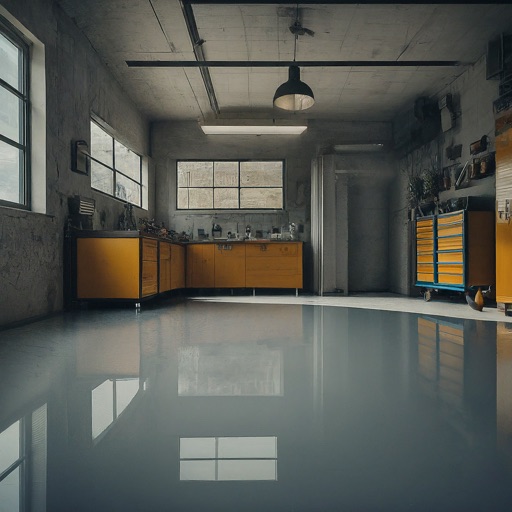
Epoxy flooring has become a popular choice for both residential and commercial spaces, offering a combination of durability, aesthetics, and low maintenance. However, like any home improvement project, installing epoxy flooring comes with costs that can vary widely depending on several factors. Understanding these costs can help you make an informed decision about whether epoxy flooring is the right choice for your space and budget.
In this comprehensive guide, we’ll explore the various factors that influence the cost of epoxy flooring installation, from the type of epoxy used to the size of the area being covered. We’ll also break down the potential costs of labor, materials, and any additional expenses you might encounter during the installation process.
Factors Influencing Epoxy Flooring Costs
The cost of epoxy flooring installation can be influenced by a variety of factors. These include the type of epoxy, the condition of the existing floor, the size of the installation area, and whether you hire professionals or take on a DIY project. Let’s take a closer look at these factors.
Type of Epoxy Used:
There are different types of epoxy flooring systems, each with varying costs. The three main types are 100% solid epoxy, water-based epoxy, and solvent-based epoxy.
- 100% Solid Epoxy: This is the most durable and long-lasting type of epoxy, making it ideal for high-traffic areas. It’s also the most expensive option due to its thickness and the quality of the materials used. Costs can range from $3 to $12 per square foot.
- Water-Based Epoxy: This is a more affordable option that’s easier to apply, making it popular for DIY projects. However, it’s less durable than 100% solid epoxy. Prices typically range from $1 to $5 per square foot.
- Solvent-Based Epoxy: Solvent-based epoxy falls between 100% solid and water-based epoxy in terms of cost and durability. It’s often used in industrial and commercial settings. Expect to pay between $2 and $7 per square foot.
Condition of the Existing Floor:
The condition of the surface on which the epoxy will be applied is a critical factor in determining the overall cost. If the existing floor is in poor condition, it may require extensive preparation, such as cleaning, repairing cracks, or leveling the surface. These preparatory steps can add to the total cost of the installation.
- Surface Preparation Costs: If your floor has significant cracks, holes, or uneven areas, these will need to be repaired before applying the epoxy. Surface preparation can range from $1 to $5 per square foot, depending on the extent of the work required.
Size of the Installation Area:
The size of the area being covered will directly impact the cost of materials and labor. Larger spaces require more epoxy and take more time to complete, which can increase the overall cost. However, many contractors offer discounted rates for larger projects, so the cost per square foot may decrease as the size of the project increases.
- Average Costs by Size: On average, epoxy flooring installation costs range from $3 to $12 per square foot. For a standard two-car garage (approximately 400 square feet), this translates to a total cost of $1,200 to $4,800. For larger commercial spaces, the cost could range from $10,000 to $50,000 or more, depending on the size and complexity of the project.
Labor Costs:
Labor is a significant component of the overall cost of epoxy flooring installation, particularly if you hire a professional contractor. Labor costs can vary depending on the complexity of the project, the experience of the contractor, and your geographic location.
- Professional Installation: Hiring a professional ensures that the epoxy is applied correctly, with proper surface preparation and a flawless finish. Labor costs for professional installation typically range from $1 to $7 per square foot, depending on the factors mentioned above.
- DIY Installation: If you’re considering a DIY approach, you can save on labor costs, but you’ll need to invest in the necessary tools and materials. Additionally, DIY projects may require more time and effort, and there’s a risk of mistakes that could impact the final result. While DIY can reduce costs, it’s important to weigh these savings against the potential challenges and risks.
Additional Costs:
There are several additional costs you may encounter during the epoxy flooring installation process. These can include:
- Decorative Elements: Adding decorative elements like colored flakes, metallic finishes, or custom patterns can enhance the appearance of your epoxy floor but will increase the overall cost. Decorative elements can add $2 to $10 per square foot to the total cost.
- Topcoat Application: A clear topcoat is often applied to epoxy floors to protect the surface and enhance its durability. While not always necessary, a topcoat can add $1 to $3 per square foot to the overall cost.
- Moisture Barrier: In areas prone to moisture, such as basements, a moisture barrier may be required before applying the epoxy. Installing a moisture barrier can cost an additional $1 to $3 per square foot.
Comparing Professional vs. DIY Epoxy Flooring Installation
When considering the cost of epoxy flooring installation, one of the most significant decisions you’ll face is whether to hire a professional or take on the project yourself. Both options have their pros and cons, and the right choice will depend on your budget, skill level, and the specific requirements of your project.
Professional Installation:
Hiring a professional contractor offers several advantages, including expertise, efficiency, and a higher likelihood of a flawless finish. Professionals have the experience and tools needed to handle surface preparation, epoxy application, and any potential challenges that may arise during the installation process.
- Benefits: The main benefits of hiring a professional include a higher-quality result, less time and effort on your part, and the peace of mind that comes with knowing the job is done correctly. Additionally, many contractors offer warranties on their work, providing further protection for your investment.
- Drawbacks: The primary drawback of professional installation is the cost. Hiring a professional will significantly increase the total cost of the project compared to a DIY approach. However, this cost may be worth it for homeowners who want to ensure the best possible result.
DIY Installation:
For those with a tight budget or a desire to take on a hands-on project, DIY epoxy flooring installation can be an appealing option. With the right preparation and tools, it’s possible to achieve a good result without the expense of hiring a professional.
- Benefits: The most significant benefit of DIY installation is cost savings. By doing the work yourself, you can save on labor costs, which can be a substantial portion of the overall project cost. Additionally, DIY projects can be rewarding and provide a sense of accomplishment.
- Drawbacks: The downsides of DIY installation include the time and effort required, the potential for mistakes, and the need to purchase or rent tools and equipment. Additionally, without professional experience, there’s a higher risk of errors that could affect the quality and longevity of the floor.
Understanding Long-Term Costs and Value
While the upfront cost of epoxy flooring installation is an important consideration, it’s also essential to think about the long-term costs and value of your investment. Epoxy flooring offers several long-term benefits that can offset the initial expense and provide value over time.
Durability and Longevity:
Epoxy flooring is known for its durability, with many installations lasting 10 to 20 years or more with proper care. This longevity reduces the need for frequent repairs or replacements, saving you money in the long run. Compared to other flooring options that may need to be replaced or repaired more frequently, epoxy offers excellent value over time.
Low Maintenance Costs:
The low maintenance requirements of epoxy flooring contribute to its cost-effectiveness. Unlike other flooring materials that require regular polishing, waxing, or deep cleaning, epoxy floors are easy to maintain with simple sweeping and occasional mopping. This ease of maintenance reduces the ongoing costs associated with keeping your floors in good condition.
Enhanced Property Value:
Installing epoxy flooring can also enhance the value of your property, particularly in areas like garages, basements, and commercial spaces. A well-installed epoxy floor can make these areas more functional and visually appealing, which can be a selling point if you decide to sell your home or lease your commercial property.
Energy Efficiency:
Epoxy flooring’s reflective surface can help improve the lighting in your space, reducing the need for additional lighting fixtures. This enhanced light reflection can contribute to energy savings over time, particularly in large commercial spaces where lighting costs can be significant.
Getting the Most Value from Your Epoxy Flooring Investment
To get the most value from your epoxy flooring investment, it’s important to make informed decisions at every stage of the process, from selecting the right type of epoxy to choosing the right contractor (if you’re not going the DIY route).
Choose the Right Type of Epoxy:
Consider the specific needs of your space when selecting the type of epoxy. For high-traffic areas or commercial spaces, investing in 100% solid epoxy may be worth the higher cost for its durability and longevity. For residential spaces with lower traffic, water-based epoxy may provide a cost-effective solution that meets your needs.
Ensure Proper Surface Preparation:
Proper surface preparation is critical to the success of your epoxy flooring installation. Whether you’re hiring a professional or doing the work yourself, take the time to ensure that the existing floor is clean, level, and free of cracks or damage. Skipping this step or doing it poorly can lead to issues down the line, such as peeling or uneven surfaces.
Consider Decorative Finishes Wisely:
While decorative finishes can enhance the appearance of your epoxy floor, they also add to the cost. Consider whether the added expense is justified based on your budget and the intended use of the space. In some cases, a simple, high-quality epoxy floor may provide the best value without the need for additional decorative elements.
Invest in a Quality Topcoat:
Applying a topcoat to your epoxy floor can extend its lifespan and protect it from wear and tear. While this adds to the upfront cost, it can save you money in the long run by reducing the need for repairs or reapplication. A quality topcoat can also enhance the floor’s appearance, giving it a glossy, polished finish.
Work with Reputable Contractors:
If you decide to hire a professional for your epoxy flooring installation, take the time to research and choose a reputable contractor. Look for contractors with experience in epoxy flooring, positive customer reviews, and a willingness to provide a detailed estimate and warranty for their work. A reputable contractor will ensure that the job is done right, maximizing the value of your investment.
Conclusion
Understanding the costs of epoxy flooring installation is essential for making an informed decision about whether this flooring option is right for your space. While the initial cost can vary based on factors like the type of epoxy, the condition of the existing floor, and whether you hire a professional or go the DIY route, the long-term benefits of epoxy flooring often outweigh the upfront expenses.
Epoxy flooring offers durability, low maintenance, and aesthetic versatility, making it a cost-effective solution for both residential and commercial spaces. By carefully considering the factors that influence cost and making smart decisions throughout the installation process, you can ensure that your epoxy flooring investment provides value and enhances your property for years to come.


Leave A Comment