
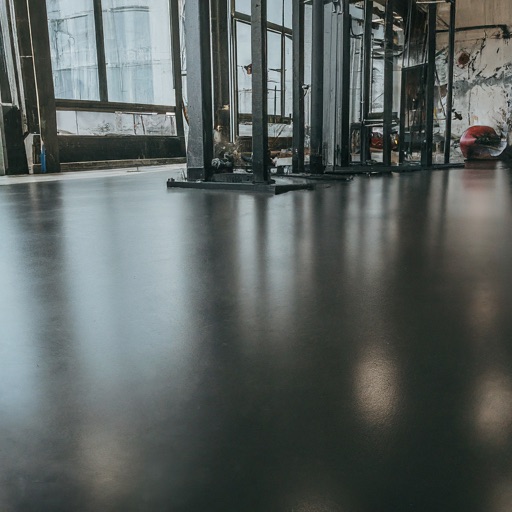
Epoxy flooring is an increasingly popular choice for both residential and commercial spaces, thanks to its durability, aesthetic appeal, and ease of maintenance. However, while epoxy floors are generally low-maintenance compared to other flooring options, they still require regular care to keep them looking their best and to extend their lifespan.
If you’re new to epoxy flooring and want to ensure that your investment remains in top condition for years to come, this beginner’s guide to epoxy floor maintenance is for you. We’ll cover everything from routine cleaning to dealing with spills and stains, and we’ll offer tips on how to protect your epoxy floor from common hazards.
Understanding Epoxy Flooring
Before diving into the specifics of maintenance, it’s important to understand what epoxy flooring is and why it’s so durable. Epoxy flooring is created by combining resin and hardener to form a rigid plastic material that is strong, durable, and resistant to most forms of damage. When applied to concrete or other surfaces, epoxy creates a seamless, non-porous layer that can withstand heavy foot traffic, chemical spills, and other common stresses.
The durability of epoxy flooring is one of its biggest advantages, but it doesn’t mean that the floor is completely maintenance-free. To keep your epoxy floor looking new and to prevent wear and tear, it’s essential to follow some basic maintenance practices.
Daily Maintenance: Keeping Your Epoxy Floor Clean
Regular cleaning is the most important aspect of epoxy floor maintenance. Dust, dirt, and debris can accumulate on the surface of your epoxy floor and, over time, can cause minor scratches or dull the glossy finish. Here’s how to keep your floor clean on a daily basis:
Sweeping: Use a soft-bristle broom or a dust mop to sweep your epoxy floor daily. This will help remove any loose dirt or debris that could potentially scratch the surface. Avoid using stiff-bristle brooms, as they can leave marks on the floor.
Vacuuming: If your space is large or if you prefer not to sweep, you can use a vacuum with a soft floor attachment to remove dust and debris. Be sure to use a vacuum that is safe for hard surfaces to prevent any damage to the epoxy.
Spot Cleaning: For small spills or spots, immediately wipe them up with a soft cloth or paper towel. Since epoxy floors are non-porous, most spills won’t penetrate the surface, making cleanup easy. However, prompt cleaning is still essential to prevent any potential staining or slipping hazards.
Weekly and Monthly Maintenance: Deeper Cleaning Routines
In addition to daily cleaning, your epoxy floor will benefit from a more thorough cleaning on a weekly or monthly basis, depending on the level of traffic the floor receives.
Mopping: Once a week, or more often in high-traffic areas, mop your epoxy floor with a soft mop and a solution of warm water and mild dish soap. Avoid using harsh chemicals, as they can dull the finish or cause discoloration over time. Rinse the mop frequently to avoid spreading dirt around, and make sure to wring it out well to prevent excess water from pooling on the floor.
Rinsing: After mopping with soapy water, rinse the floor with clean water to remove any soap residue. Soap residue can cause the floor to look cloudy or dull over time, so it’s important to ensure all traces are removed.
Drying: After mopping and rinsing, use a dry mop or a soft towel to dry the floor completely. Standing water can cause streaks or water spots on the epoxy, so it’s best to dry the floor as soon as possible after cleaning.
Dealing with Stains and Spills
Although epoxy flooring is resistant to most types of stains, it’s still possible for certain substances to leave a mark if they’re not cleaned up promptly. Here’s how to deal with common stains and spills on your epoxy floor:
Oil and Grease: For oil or grease spills, immediately blot up as much of the spill as possible with paper towels or a clean cloth. Then, clean the area with a mixture of warm water and a few drops of dish soap. For stubborn stains, you can use a degreaser that is safe for use on epoxy floors, but be sure to rinse the area thoroughly afterward.
Chemical Spills: Epoxy floors are resistant to most chemicals, but some harsh chemicals, such as paint thinner or gasoline, can damage the surface if left for too long. If you spill a chemical on your epoxy floor, clean it up immediately using a neutralizing solution or water. Avoid using any abrasive scrubbers, as they can scratch the epoxy.
Rust Stains: If you notice rust stains on your epoxy floor, you can remove them using a mixture of water and baking soda. Apply the mixture to the stain, let it sit for a few minutes, and then scrub gently with a soft-bristle brush. Rinse the area with clean water and dry it thoroughly.
Food and Beverage Spills: Most food and beverage spills can be cleaned up easily with a soft cloth and warm water. For sticky or stubborn stains, use a mild soap solution and rinse thoroughly afterward.
Protecting Your Epoxy Floor from Damage
While epoxy flooring is highly durable, taking a few preventive measures can help protect it from unnecessary damage and keep it looking pristine for years to come.
Use Mats and Rugs: Placing mats or rugs at entryways and high-traffic areas can help reduce the amount of dirt and debris that gets tracked onto the floor. Mats can also absorb moisture, preventing water from pooling on the floor during rainy or snowy weather. Just make sure the mats have a non-slip backing that won’t damage the epoxy surface.
Furniture Pads: Place felt pads or rubber protectors under the legs of furniture to prevent scratches or dents on your epoxy floor. This is especially important for heavy furniture or items that get moved around frequently, such as chairs or tables.
Avoid Dragging Heavy Objects: When moving heavy objects, such as appliances or furniture, avoid dragging them across the floor. Instead, lift and carry them or use a dolly with soft, non-marking wheels to move them. Dragging heavy objects can leave scratches or gouges in the epoxy that are difficult to repair.
Minimize Exposure to UV Light: Although epoxy flooring is resistant to UV rays, prolonged exposure to direct sunlight can cause the color to fade over time. To minimize UV damage, consider using blinds or curtains to block direct sunlight, especially in rooms with large windows.
Periodic Inspections and Maintenance
In addition to regular cleaning, it’s a good idea to periodically inspect your epoxy floor for any signs of wear, damage, or deterioration. Catching and addressing these issues early can prevent them from becoming more serious problems.
Inspect for Cracks or Chips: While epoxy floors are resistant to most types of damage, heavy impacts or prolonged exposure to certain chemicals can cause cracks or chips. If you notice any damage, it’s important to repair it as soon as possible to prevent it from spreading. Small cracks or chips can often be repaired with an epoxy patch kit, which can be found at most hardware stores.
Check for Loss of Gloss: Over time, the glossy finish of your epoxy floor may begin to dull due to foot traffic and regular cleaning. If you notice a loss of gloss, you can restore the shine by applying a coat of epoxy polish. This will not only enhance the appearance of your floor but also add an extra layer of protection.
Reapply Top Coat as Needed: Depending on the level of traffic and wear, you may need to reapply a topcoat to your epoxy floor every few years. This will help maintain the floor’s durability and keep it looking fresh. Consult with a professional if you’re unsure about the best time to reapply the topcoat or if you need assistance with the application process.
Professional Cleaning and Maintenance Services
While regular maintenance can go a long way in preserving the appearance and durability of your epoxy floor, there may be times when professional cleaning or maintenance is necessary. Professional services can help address more significant wear and tear, deep stains, or any repairs that are beyond your ability to handle.
Deep Cleaning: A professional deep cleaning can remove built-up dirt, grime, and stains that regular cleaning might not fully address. Professional cleaners have access to specialized equipment and products that can restore the shine and cleanliness of your epoxy floor.
Repairs and Refinishing: If your epoxy floor has sustained significant damage or if the topcoat has worn down, a professional can repair and refinish the floor. This process may involve filling in cracks, reapplying the epoxy coating, and adding a new topcoat to restore the floor’s appearance and durability.
Periodic Maintenance Plans: Some flooring professionals offer maintenance plans that include periodic inspections, cleaning, and refinishing services. These plans can be a convenient way to ensure that your epoxy floor receives the care it needs to stay in top condition over the years.
Conclusion
Epoxy flooring is a durable, stylish, and low-maintenance option that can enhance the beauty and functionality of your home. By following the maintenance tips outlined in this guide, you can keep your epoxy floor looking its best for many years to come. From daily cleaning routines to dealing with stains and protecting against damage, proper care will ensure that your epoxy floor remains a long-lasting and attractive feature of your home.
Whether you’re a seasoned homeowner or new to epoxy flooring, taking the time to care for your floor will not only preserve its appearance but also extend its lifespan, providing you with a beautiful and resilient surface for years to come.
Leave A Comment