
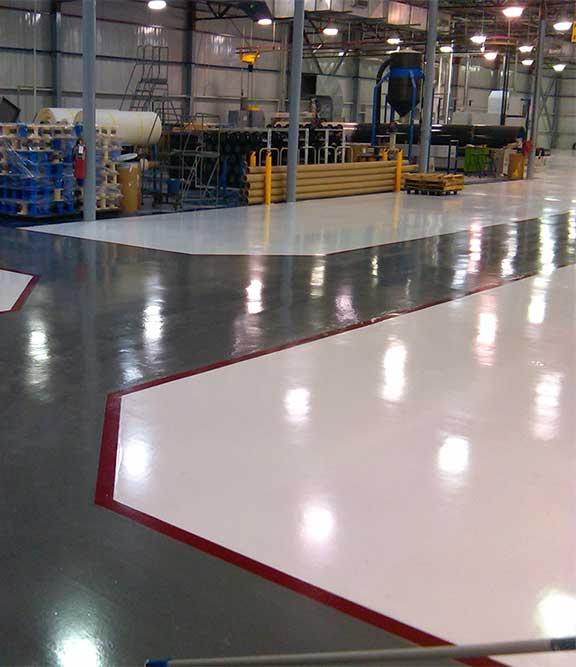
Does your home have concrete floors? If so, you may be considering epoxy flooring as an option to update their look. Epoxy is a durable material that can be used on many different types of surfaces, including concrete, metal, and wood. It’s also easy to clean and maintain, making it a great option for busy families.
If you’re thinking about epoxy flooring for your home, here are 12 design ideas to get you started:
- Metallic Epoxy Floors
One of the most popular design trends for residential epoxy floors is metallic epoxy. This type of flooring uses a basecoat and topcoat that contain metallic powders to create a shiny, reflective surface. Metallic epoxy floors can be used in any room of the house, but they’re especially popular in kitchens and bathrooms.
- Glitter Epoxy Floors
If you want your epoxy floor to really stand out, consider adding glitter to the mix. Glitter epoxy floors are created by mixing glitter into the base coat or topcoat of the flooring. The result is a sparkling, shimmering surface that’s sure to turn heads.
- Colorful Epoxy Floors
For a bolder look, try colorful epoxy flooring. You can use opaque or transparent epoxy to create a floor in any color you can imagine. You can also add flakes or other materials to the epoxy to create interesting textures and patterns.
- Marble Epoxy Floors
If you love the look of marble but don’t want the maintenance that comes with it, try epoxy floors that mimic the look of marble. These floors are created by adding pigment to the base coat or topcoat of the flooring. The result is a beautiful, luxurious surface that’s easy to care for.
- Wood Epoxy Floors
Epoxy flooring can also be used to create the look of wood floors. This type of flooring uses a wood-colored basecoat and topcoat to create the illusion of real wood floors. Wood epoxy floors are a great option for rooms that get a lot of traffic, like kitchens and mudrooms.
- Stone Epoxy Floors
Stone epoxy floors are created by adding pigment to the base coat or topcoat of the flooring. The result is a floor that looks like stone but is much easier to care for. Stone epoxy floors are a great option for high-traffic areas like kitchens and bathrooms.
- Geometric Epoxy Floors
For a truly unique look, try geometric epoxy flooring. This type of flooring uses shapes and patterns to create an interesting design. Geometric epoxy floors are often used in entryways and living rooms.
- Stained Concrete Epoxy Floors
If you have concrete floors, you can use epoxy to create a stained concrete look. This type of flooring uses a basecoat and topcoat that are tinted with stains to create a beautiful, unique surface.
- Polished Concrete Epoxy Floors
Polished concrete epoxy floors are created by adding a layer of epoxy to existing concrete floors. The result is a glossy, reflective surface that’s easy to maintain. Polished concrete epoxy floors are a great option for high-traffic areas like kitchens and bathrooms.
- Radiant Heat Epoxy Floors
Radiant heat epoxy floors are created by adding a layer of radiant heat film to the bottom of the flooring. The result is a floor that’s warm to the touch, making it a great option for chilly rooms like basements and garages.
- Soundproof Epoxy Floors
If you’re looking for a way to reduce noise in your home, try soundproof epoxy floors. This type of flooring uses a special type of epoxy that absorbs sound, making it a great choice for rooms that are prone to noise pollution.
- DIY Epoxy Floors
If you’re handy with tools, you can install epoxy floors yourself. DIY epoxy floors are a great way to save money on installation costs. However, it’s important to note that DIY epoxy floors are not as durable as professionally installed floors.
How To Tell Determine Which Residential Epoxy Flooring Is Right For Your Home
When it comes to epoxy flooring, there are many different types to choose from. With so many options available, it can be difficult to know which one is right for your home. Here are a few things to keep in mind when choosing residential epoxy flooring:
- Consider the room where the floor will be installed.
- Think about the amount of traffic the floor will see.
- Choose a floor that’s easy to care for.
- Select a color and style that you love.
- Decide whether you want a DIY or professional installation.
Keep these factors in mind when choosing residential epoxy flooring, and you’ll be sure to find the perfect floor for your home.
Final Thoughts
Epoxy flooring is a great option for residential homes. It’s durable, easy to care for, and comes in a variety of colors and styles. When choosing epoxy flooring, be sure to consider the room where it will be installed, the amount of traffic the floor will see, and the level of maintenance you’re willing to do. Epoxy flooring is a great way to update the look of your home, so start shopping around today!
Leave A Comment