
With the many flooring options on the market today, it can be hard to decide what type of flooring is right for your home. If you’re looking for a durable, long-lasting option that is also easy to maintain, epoxy flooring may be the perfect choice for you.
Here’s everything you need to know about residential epoxy flooring.
What is Epoxy Flooring?
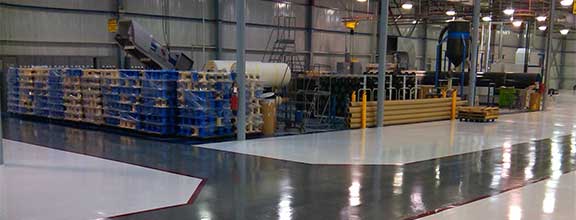
Epoxy flooring is a type of resin-based flooring that is extremely durable and easy to maintain. It is often used in commercial settings because it can withstand heavy foot traffic and is easy to clean. However, epoxy flooring is also becoming increasingly popular in residential homes for its many benefits.
Most Popular Types of Epoxy Flooring Systems
There are two main types of epoxy flooring systems:
- 100% solids epoxy
- Water-based epoxy
100% solids epoxy is the most popular type of epoxy flooring, as it is the most durable and longest-lasting option. This type of epoxy is also more resistant to staining and fading.
Water-based epoxy is a more affordable option that is easier to install but not as durable as 100% solids epoxy. However, water-based epoxy is still a long-lasting and low-maintenance option for flooring.
If you are unsure which type of epoxy flooring is right for you, consult with a professional contractor who can help you choose the best option for your home.
Benefits of Residential Epoxy Flooring
Durability
One of the biggest advantages of epoxy flooring is its durability. Epoxy floors are highly resistant to wear and tear, making them a great option for homes with kids or pets. They are also easy to clean and maintain.
Waterproof
Epoxy floors are also waterproof, making them ideal for homes in humid climates or areas prone to flooding.
Easy to Install
Another advantage of epoxy flooring is that it is easy to install. Unlike other types of flooring, there is no need to sand or level the surface before installation. Epoxy can be applied directly over concrete, tile, or existing hardwood floors.
Aesthetically Pleasing
In addition to being durable and easy to maintain, epoxy floors are also very aesthetically pleasing. Epoxy floors come in a variety of colors and finishes, so you can create a look that is unique to your home.
Common Uses for Residential Epoxy Flooring
Residential epoxy flooring can be used in a variety of settings, including:
Garages
Epoxy flooring is a popular choice for garage floors because it is durable and easy to clean. Garage floors are often exposed to oil, grease, and other harsh chemicals, so a durable flooring material is essential.
Basements
Basements are another common area where residential epoxy flooring is used. Basements are often damp and humid, so a waterproof flooring material is essential. Epoxy floors are also resistant to mold and mildew, making them ideal for basements.
Kitchens
Epoxy flooring is also becoming increasingly popular in kitchens. Kitchens are often exposed to spills and splashes, so a durable and easy-to-clean flooring material is essential. Epoxy floors are also slip-resistant, making them safe for kitchens.
Bathrooms
Bathrooms are another common area where epoxy floors are used. Like kitchens, bathrooms are often exposed to spills and splashes. Epoxy floors are also waterproof and slip-resistant, making them ideal for bathrooms.
How Do I Know if Epoxy is Right For My Home?
If you are considering epoxy flooring for your home, there are a few things to keep in mind. First, epoxy floors are best suited for rooms that see a lot of foot traffic or are subject to spills and splashes. Second, epoxy floors are available in a variety of colors and finishes, so you can choose a look that is unique to your home. Third, epoxy floors are easy to install and require little maintenance.
If you’re looking for a durable, long-lasting, and easy-to-maintain flooring option for your home, epoxy flooring may be the perfect choice for you. Contact a local epoxy flooring installer today to learn more about this type of flooring and get started on your project.
FAQ About Residential Epoxy Floors
Do you have questions or concerns about residential epoxy floors? Here are some answers to common questions about this type of flooring.
Q: What is the difference between residential and commercial epoxy floors?
The main difference between residential and commercial epoxy floors is the thickness of the epoxy. Commercial epoxy floors are typically thicker than residential floors, which makes them more durable. Residential epoxy floors are still durable, but they are not as thick as commercial floors.
Q: How long do epoxy floors last?
Epoxy floors are very durable and can last for many years. However, the lifespan of an epoxy floor will depend on the amount of traffic it sees and how well it is maintained.
Q: Are epoxy floors slippery?
No, epoxy floors are not slippery. In fact, they are slip-resistant, making them safe for homes with kids or pets.
Q: How do I clean epoxy floors?
Epoxy floors are very easy to clean. You can sweep and mop them just like any other type of floor. If you have a spill, you can simply wipe it up with a damp cloth.
Leave A Comment